
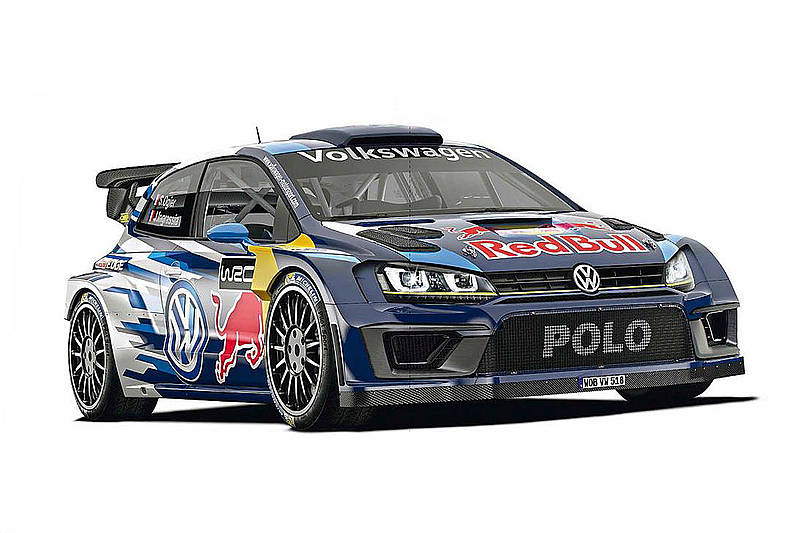
RallySport Magazine’s Jeff Whitten looks into the new-for-2017 World Rally Car regulations, and ponders if it’s a backward step towards the dark old days of Group B in the 1980s.The regulations for the 2017 WRC will see cars with more power and more aerodynamic aids.“These new regulations mark the start of an exciting new era for the FIA World Rally Championship.

Not only will the 2017 cars look a lot more spectacular, but we will also see an increase in power and performance.
“The concept really does remind me of the Group B days. When you combine the exhilaration of that era with the fantastic safety measures that the FIA have worked to implement, this marks the start of a thrilling new chapter for the WRC.”
So said Malcolm Wilson, Managing Director of the Ford M-Sport team recently.
WRC cars, which are based on big-selling production models including the Ford Fiesta, Volkswagen Polo and Hyundai i20, will be allowed an increase in maximum power from their 1.6-litre turbocharged engines from 224 kiloWatts (300 horsepower) to 283 kW (380 bhp).
The cars’ minimum weight will be reduced by 25 kilograms to 1175 kg, while new aerodynamic freedoms will allow bigger rear wings and side skirts and extended front and rear overhangs.
Pardon me, but am I hearing right? Aren’t we headed back to the bad old days of Group B (no matter how exciting they were)?
380 horsepower from a 1.6-litre in a car the size of a Fiesta, lightened by 25 kilograms and sporting a range of aerodynamic aids? In 2017? You must be kidding.
Now don’t get me wrong, I’m not trying to knock progress on the head, but surely there must come a time when the FIA say ‘enough’s enough’. Can you imagine putting 380 horsepower to the ground via four patches of rubber not much bigger than four A5 sheets of paper, and then unleashing all that power through the transmission. And then trying to stop that same car on those four A5s again?
Cars such as the Audi Quattro S1 were exciting to watch, but forced the premature ban of Group B.Yes, we all loved the spectacle of Group B, which blew our minds in the 1980s. The days of the Audi Quattro (some say) was the greatest time of our lives, but it also became a recipe for disaster as manufacturers tried to outdo each other in the quest for speed and yet more speed.
We can all remember the horrific crashes that took the lives of Henri Toivonen and others. Group B was eventually banned when it became obvious that the combatants were, with volatile fuel tanks mounted amidships, nothing more than lethal weapons let loose on the rally tracks of the world.
It took some time for the rally world to realise this. Sure, the FIA has been very safety pro-active since those unforgettable years, but how do the new safety measures equate with the proposed new engine outputs?
Over the years rallying has changed to such an extent that some of us fail to understand where it will all end up in the future.
How much faster can we go? How much power can we build into a WRC car? How much technology do we need? How complex are we making our sport? When will we reach the bounds of impossibility?
Surely blasting through the forest at what, from a spectator’s point of view, looks like supersonic speeds, becomes more achievable the greater the power increases we allow.
But there must be a limit to all of this if we are to believe the law of physics, particularly now that wheels spend so little time in touch with mother earth.
So while I applaud the FIA for being pro-active and forward thinking, I can’t for the life of me see that the new regulations are nothing more than Group B revisited.
Somebody please tell me I’m wrong.
– Jeff Whitten: Rallysport Magazine