

Twenty years after the introduction of the first-generation World Rally Cars, the world championship will turn a fresh page in 2017 when new technical regulations are scheduled to come into effect, as well as some new events.
With an air-restrictor diameter increased from 33mm to 36mm, the power output of the 1,600cc direct injection engines is likely to reach 400hp, while the cars themselves will be 25kg lighter. They will also be equipped with an electronically-controlled centre differential. Chassis will be 55mm wider and bodies will be able to feature more prominent protruding parts (rear wings, front and rear bumpers, etc.). Alternative suspension mounting points will also improve handling.
The drivers and manufacturers played an active part at the FIA working group meetings and are convinced that the changes are a step in the right direction. The engineers’ mouths are already watering, too!
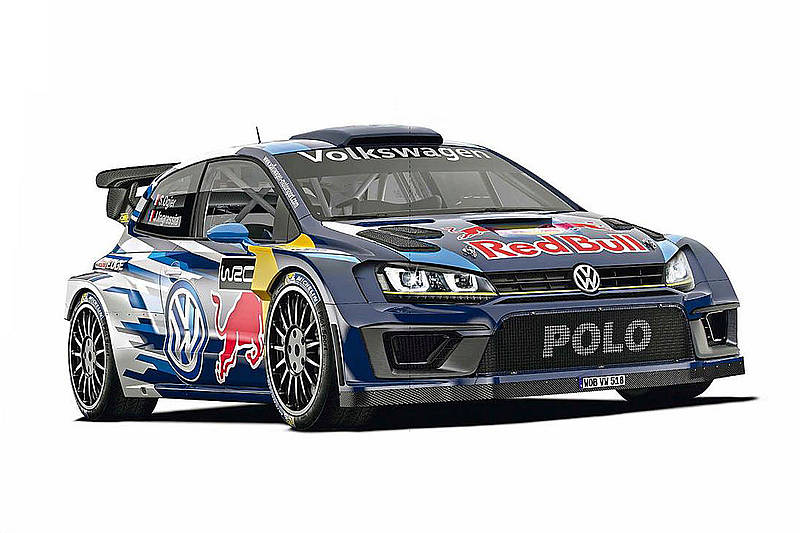
The current models – VW Polo, Ford Fiesta, Hyundai i20 and Toyota Yaris (with special authorisation) – will continue to star.
“Aesthetic considerations apart, the aerodynamics will need a great deal of wind-tunnel work because they play a surprisingly big role in rallying,” notes Volkswagen Motorsport’s technical director. “The design of the body parts will also have a big influence on engine and brake cooling.
The new Toyota team could have an edge since it will have access to the advanced wind tunnel facilities at Toyota Motorsport GmbH in Cologne, Germany.
Meanwhile, Citroën might have an advantage if it chooses to stay in the WRC since the engines of the 2017-spec World Rally Cars match what the French make uses in world touring cars under the bonnet of the Citroën C-Elysée.
“The other interesting development is the active centre differential,” says the technical director of Citroën Racing’s WRC programme. “The Xsara, then the C4 WRC had one until 2010. Costs are likely to be kept in check because we already have the hydraulics for the gearshift control and disconnectable rear differential. We will also be restricted to 42 days’ testing a year.”
Once homologated, modifying electronic control software will cost the teams a ‘joker’.
“Technically, today’s WRC cars date back 30 years,” quips Hyundai Motorsport boss Michel Nandan, former WRC technical director at Toyota, Peugeot and Suzuki. “The 2017 regulations will allow us to eliminate phenomenon like the under-steering engendered by the mechanical differential.” Hyundai Motorsport faces the task of developing a new i20 WRC for 2016, and another for 2017…
Nobody has yet published any visuals of what a 2017 car might resemble, but the designers are already at work and have made varying degrees of progress. Some are even planning to run an early prototype not far from Jyväskylä in a few days’ time…