|
Unlike most sportsmen and women, rally drivers – and co-drivers – put their necks on the line every time they practice or compete. The risks taken are obvious. And it takes years for the best performers to make it to the very top of the sport. The rewards if they do get there remain small – particularly compared, say, to F1.
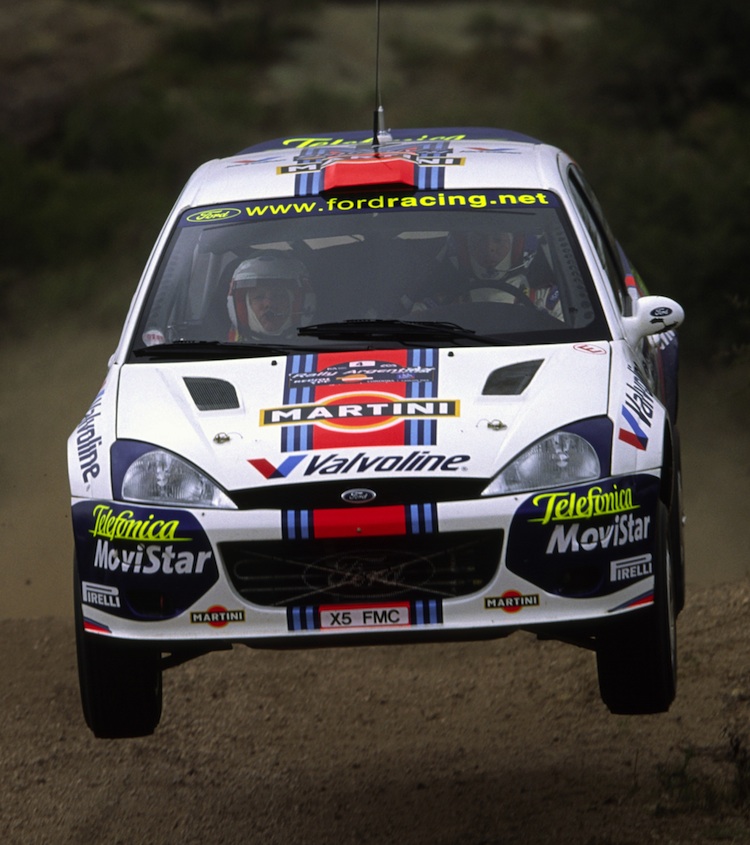 But no-one disputes their courage or achievement. Except, possibly, the British establishment. When Colin McRae won the 1995 FIA World Rally Championship, a grateful nation bestowed on him the MBE. That was then the very lowest possible honour in the British honours system. Richard Burns, world champion in 2001, didn’t even get that. Neither of the two surviving UK winners of the Monte Carlo Rally – Paddy Hopkirk and Vic Elford – have ever received UK honours. Perhaps they should have tried cycling instead. The UK recognises cycling. The 2012 winner of the Tour de France, Bradley Wiggins, was given a knighthood and is now Sir Bradley Wiggins. He had already received the CBE, 2 full notches higher than McRae, for his Olympic Gold Medal achievements. Fellow-cyclist Chris Hoy received the same award as McRae, the MBE, for services to cycling in 2005 after the first of his Olympic Gold medals in 2004. He would eventually be knighted after taking his Olympic Gold tally to six, becoming Sir Chris Hoy. This is not to suggest in any way whatsoever that Wiggins’ and Hoy’s honours were not fully merited. Both are admirable sportsmen who have dedicated their lives to their particular sport. But it seems very odd that the British should applaud their cyclists and ignore their rally drivers when it comes to state honours. Other countries are happy to recognise their drivers: Sébastien Loeb and Michèle Mouton have both been honoured at the very highest level by France. What’s wrong with rally as far as the UK establishment is concerned? Story and picture: irallylive.com
|