

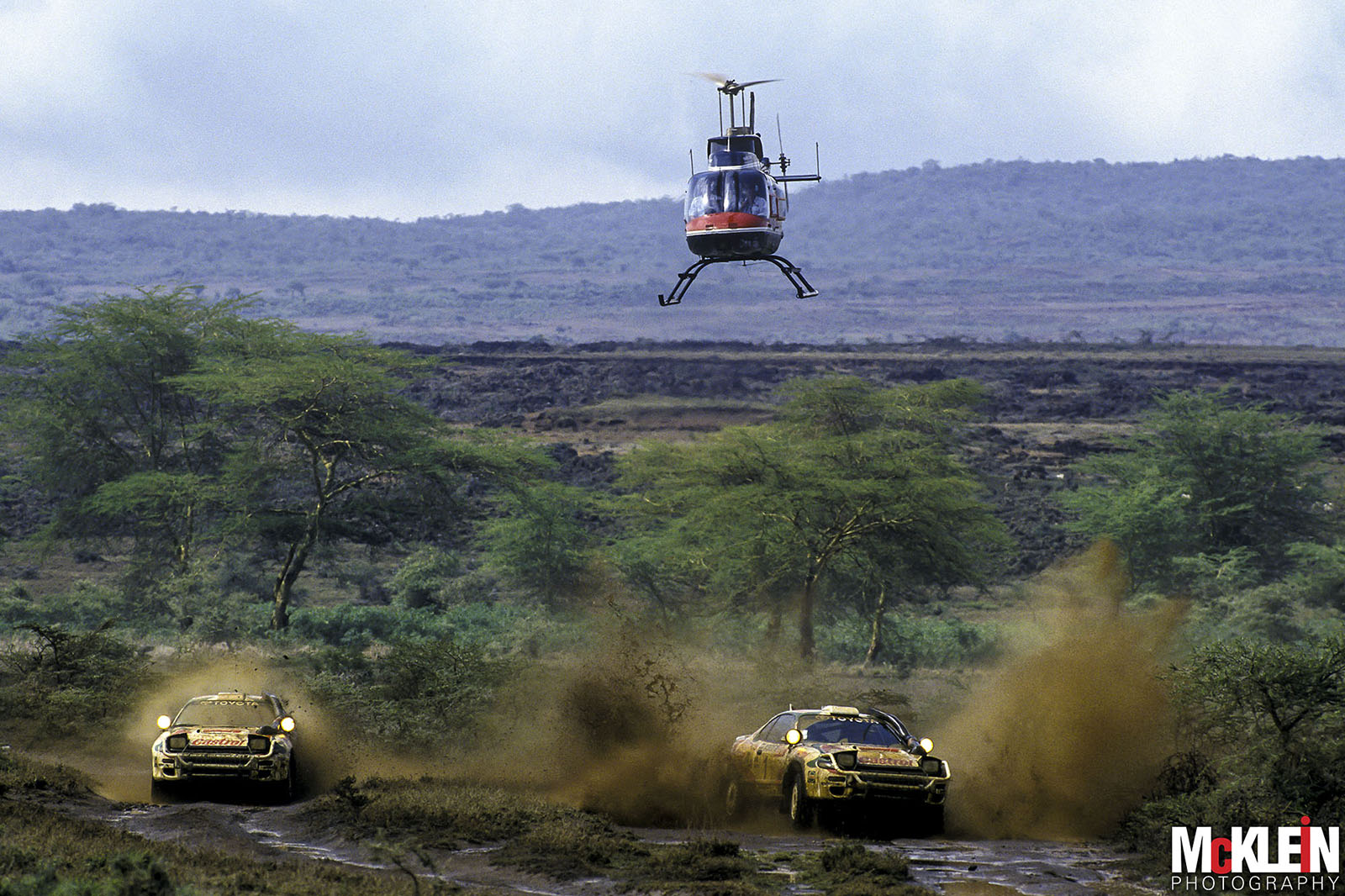
The last time this rally was on of the WRC calendar was 2002. That year Apple released a second generation iPod with 20GB for people to fill with Justin Timberlake. Or Britney. Or both. And Colin McRae won the Safari Rally in a Ford Focus RS WRC.
19 years on and the iPod, as well as the world, has changed. Safari Rally Kenya has changed considerably. Gone are the days of racing on open roads, when dodging oncoming traffic was as much part of the event as the giraffes and elephants. This week’s sixth round of the World Rally Championship is entirely familiar in format to the five events proceeding it this year.
The 320km route is 800 shorter than the itinerary mastered by McRae in 2002, but the roads are still the same roads. Names like Elmenteita, Chui Lodge and Kedong still stir the same emotions.
The challenge
This week’s event consists of 18 stages across four days, with Thursday’s only offering being a superspecial in Nairobi. From Friday, the action is based all around the Great Rift Valley and Lake Naivasha. Typically, the route includes super-fast stretches interspersed with some of the roughest and rockiest sections the cars and crews will face across the whole season.
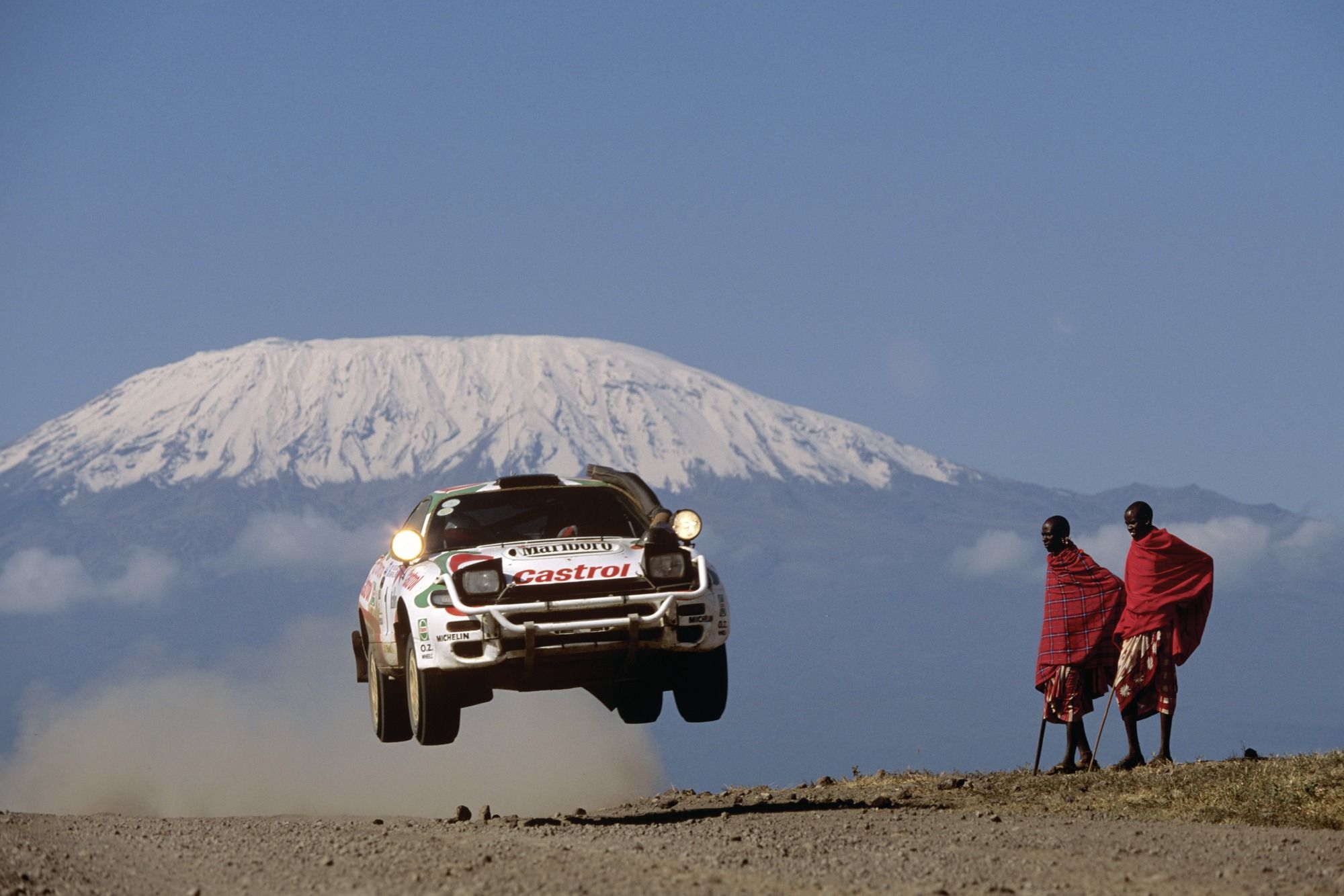 Credit: McKlein
Reflecting the gnarly nature of the roads, the cars will land in Kenya equipped with more protection than ever before.
Toyota team principal Jari-Matti Latvala said: “Under the car, we will have thicker guards covering all the components like the differentials, the engine and the suspension. It’s going to be rough and we have to be ready. We know the added protection will mean we have more weight in the car, but we have to be ready for that trade-off.”
M-Sport’s Adrien Fourmaux was staring at his seventh birthday the last time the Safari ran in the WRC. He doesn’t remember much of his fellow Ford driver McRae’s win, but he’s reminded himself of what it means to drive for the same team as the top Scot.
Fourmaux, now 26, said: “I’ve been watching some videos and it’s amazing to see the Ford Focus [RS WRC] with the extra bars at the front. We won’t have this protection, but I’m sure we will find some giraffes and elephants on the stages – it will be really interesting and, for sure, we’ll have to be careful.”
None of the drivers have any issues with the high-speed sections, but the Safari has always demanded the discipline to be able to slow down sufficiently. And then, when you’ve slowed down sufficiently, slow down some more. And then stop.
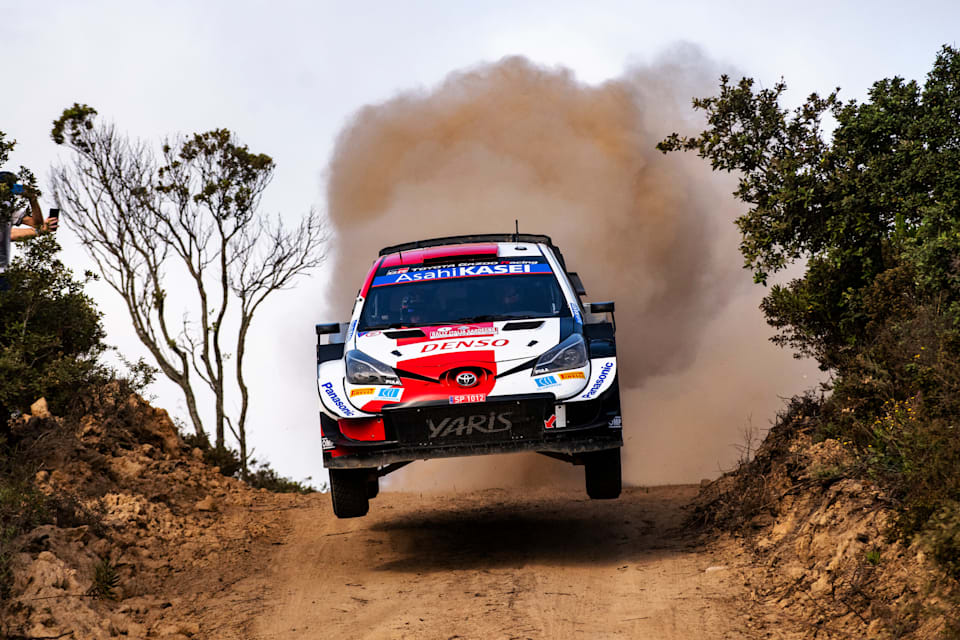
Sébastien Ogier is leading the Drivers’ Championship heading to Kenya © JAANUS REE/RED BULL CONTENT POOL
“I watched the videos of the roads we will use,” said Fourmaux. “I think we will almost have to stop in some places. It’s really rough. This is when we have to be smart enough to say, ‘Okay, in this section we have to be slow’.”
In 1999, McRae won the Safari without winning a single stage (or section, as they used to be called). This week will remain a significant test of head over heart for the crews
Like any new rally, the recce is vital. The chance to look over the stages twice (albeit at drastically reduced speed – the limit is 80kph) and make pace notes gives the crews a glimpse of what’s to come. But for the Safari, this week’s recce is fundamental to success. And survival. None of the factory drivers have competed in Kenya before, there are no workable onboard videos from previous rallies (there hasn’t been one since 2002) and FIA regulations prohibit teams from testing outside of Europe. This week is one very big step into the unknown.
“It’s true, the recce is so important this week,” said Elfyn Evans. “It’s been really difficult to find out what it’s going to be like [on the stages]. The organisers made some onboard videos of the roads, but they just look so similar. It’s only when we get there that we can have a really good look at what’s coming from the recce. The landscape is so different to what we’re used to. The recce is critical.”
Championship leader Sébastien Ogier has left the stress to those chasing him. His preparation has been home-based.
“I spent time with my family,” said Ogier. “I’m not from the generation that spends hours watching videos on the computer.”
As much as the roads are a cause for concern, some of the drivers are also focused on the local wildlife as well.
Asked which African animals he’s looking forward to seeing, Hyundai’s Dani Sordo answers a little too quickly. “Giraffes,” he said. “They will be amazing. And an elephant. Everybody wants to see those two.”
Nothing else?
“You want me to talk about the scary ones,” he said. “I would like to see them, but only if I’m in the car. If I have to get out to work on the car, I will be a little bit scared!”
The king of the jungle offers another compelling reason to drive this one with the head rather than the heart.
Source: Red Bull Content Pool