
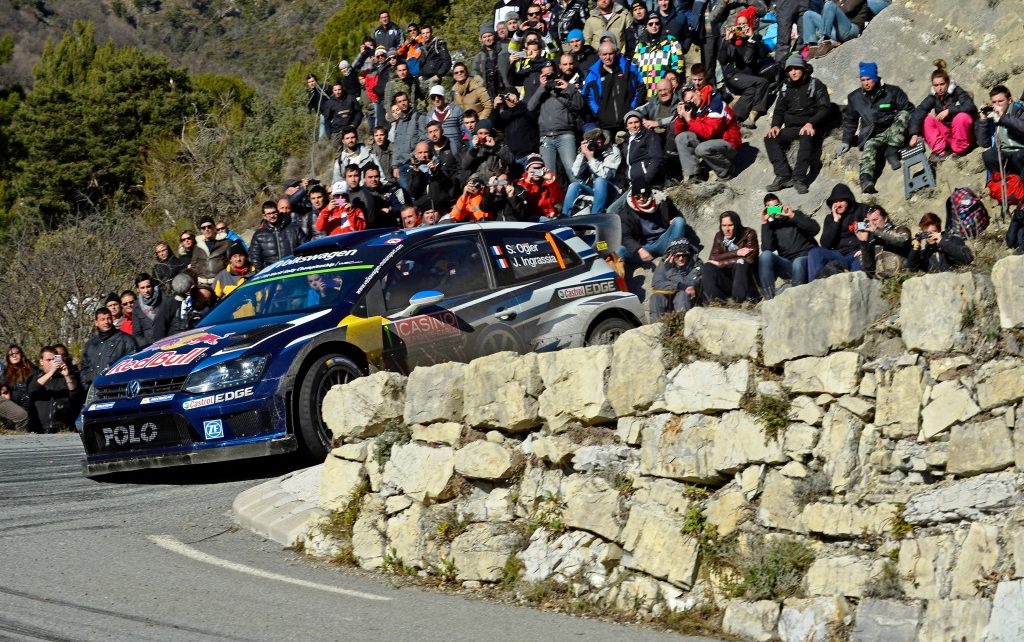
Corsica is known for its natural beauty – and the island is now set welcome a natural motorsport beauty for the first time: the Polo R WRC. Volkswagen and Sébastien Ogier/Julien Ingrassia (F/F) arrive on the Mediterranean island for round eleven of the FIA World Rally Championship (WRC) fresh from having successfully defended their World Championship titles. Despite having already wrapped up all three titles at the Rally Australia, the Volkswagen team still has a few questions to answer at the second asphalt rally of the year.
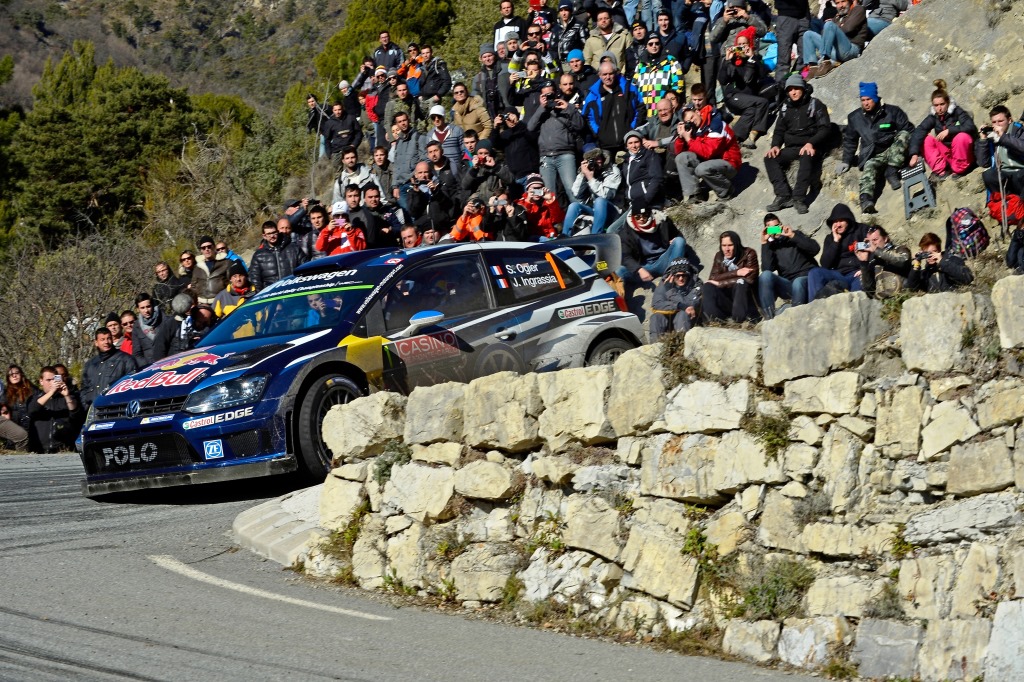
For example: who will finish runner-up in the Drivers’ and Co-Drivers’ Championship? The two best-placed duos to occupy second spot come the end of the season are both in Volkswagen colours: second-placed Jari-Matti Latvala/Miikka Anttila (FIN/FIN) and third-placed Andreas Mikkelsen/Ola Fløene (N/N), who were responsible for a one-two “powered by Volkswagen” at the 2014 Rally France, which was held in Alsace. In 2015, however, they face a very different Rally France: the route features just nine special stages, but with an average length of 37 kilometres.
“The Rally France on Corsica represents a homecoming for the world champions. Sébastien Ogier and Julien Ingrassia will line up at their home round of the World Championship as champions,” said Volkswagen Motorsport Director Jost Capito. “Given the way the season has panned out so far, it is crystal clear what this means: they will be out to win – as they are every time – and show what they are made of. However, the two crews who claimed a one-two in 2014 – Jari-Matti Latvala and Miikka Anttila, and Andreas Mikkelsen and Ola Fløene – also have high hopes and will be battling each other for the runner-up spot in the World Championship. However, our rivals at Hyundai, M-Sport-Ford and, above all, Citroën will also be doing everything in their power to win here. The unique itinerary, with its very long special stages, is a very interesting mix.”
The “Tour de Corse” for Volkswagen: a first
The Polo R WRC already has two wins in France to its name. In 2013, Sébastien Ogier and Julien Ingrassia wrapped up their first World Championship title on home soil in Strasbourg. One year later, Volkswagen duo Jari-Matti Latvala/Miikka Anttila claimed the first victory by a Finnish duo on this surface for almost 15 years. This year, the Rally France has moved from Alsace to the island of Corsica. As such, the “Tour de Corse” is something of a first for the Polo R WRC, which has so far emerged triumphant at least once wherever it has been in action.
The “Tour de Corse” for driver and co-driver: long special stages, genuine challenges
Extremely fast sections, followed by slow, narrow roads. Asphalt that is both rough and slippery at the same time, sometimes reminiscent of roads from days gone by. And endlessly alternating uphill and downhill passages. The Rally France on Corsica is special in many regards. The long special stages – the shortest being 16.74 kilometres, the longest 48.46 – and distances of up to 80 kilometres to the next service for the standard Michelin tyres require the drivers to look after their black gold intelligently.
The rally on Corsica also features some classic stages, which enjoy a long history in the World Rally Championship. The French round of the championship was held on Corsica between 1973 and 2008. The special stages from days gone by – some of which have not been contested at the pinnacle of rallying for 30 years – are now back on the itinerary as Corsica makes its WRC comeback. The “Francardo/Sermano” special stage is a fine example of just how demanding the rally on Corsica can be: to the north of the rally centre of Corte, in one of the most attractive regions of the island, the narrow yet fast roads and a rollercoaster ride through the many mountainous regions pose an important question: man or mouse? The crews reach the highest point of the rally – 1,311 metres above sea level – on a genuine icon, the “Muracciole/Col de Sorba” special stage. Another classic rally stage: “Zérubia/Martini”. The surface characteristics change continuously, and exaggerated corners and bumpy sections alternate, before a sprint up the Col de Siu (731 metres).