
How many gearheads have you met that can’t talk about their first car for more than a minute without getting wistful and trailing off with a “man, if I could only get my hands on that car again…”? If you think pining for your first car is bad, imagine being a major automaker whose earliest days were largely considered to be lost to history. While everyone with a passing interest in cars knows the origin stories of companies like Ford, Volkswagen, and Mercedes, Toyota’s earliest days are largely unknown, and that’s because so little of it survived.
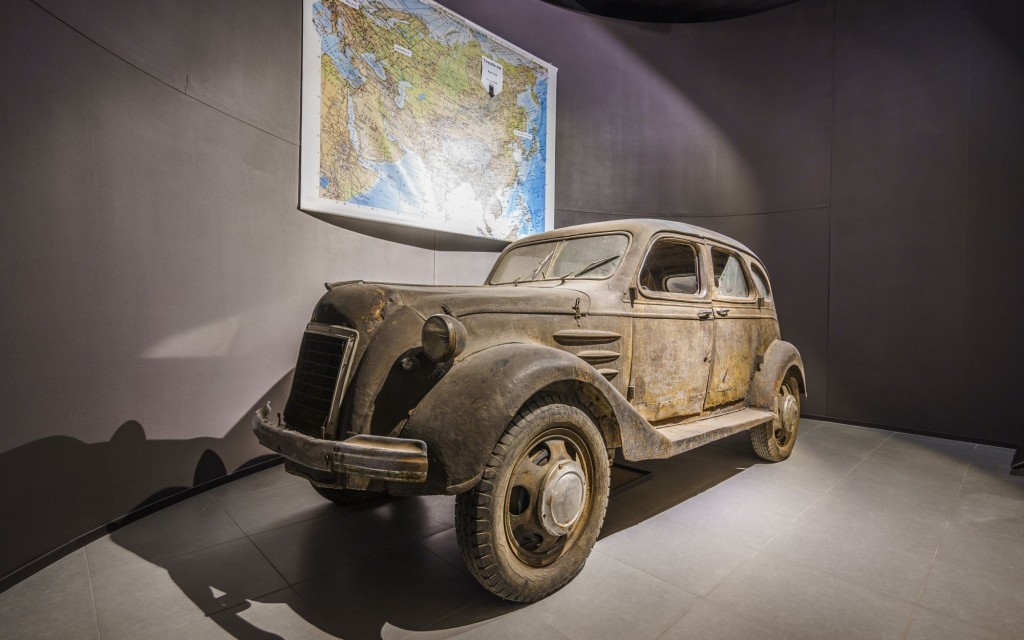
Vladivostok is a remote port city on the Pacific near Russia’s borders with China and North Korea. It’s linked to European Russia by the Trans-Siberian Railroad, which could explain how the world’s only surviving 1936 Toyoda AA ended up in a barn just outside of the city. It doesn’t explain how the car got to Russia in the first place; the Soviet Union had no presence on Japan’s home islands, and the country wasn’t exactly exporting much in the immediate aftermath of World War II. But somehow, the car made it to the Soviet Union — to Siberia, in fact — where it spent decades as a farm car.
In 2008, a 25-year-old Russian student called the Louwman Museum in the Netherlands with a tip that sounded too good to be true. He noticed a classified ad in his local paper for a 1936 Airflow but, on inspecting the car, became convinced that it was an AA. The Museum is one of the oldest and most prestigious auto museums in the world, so nabbing the oldest Toyota in existence would be an incredible coup.
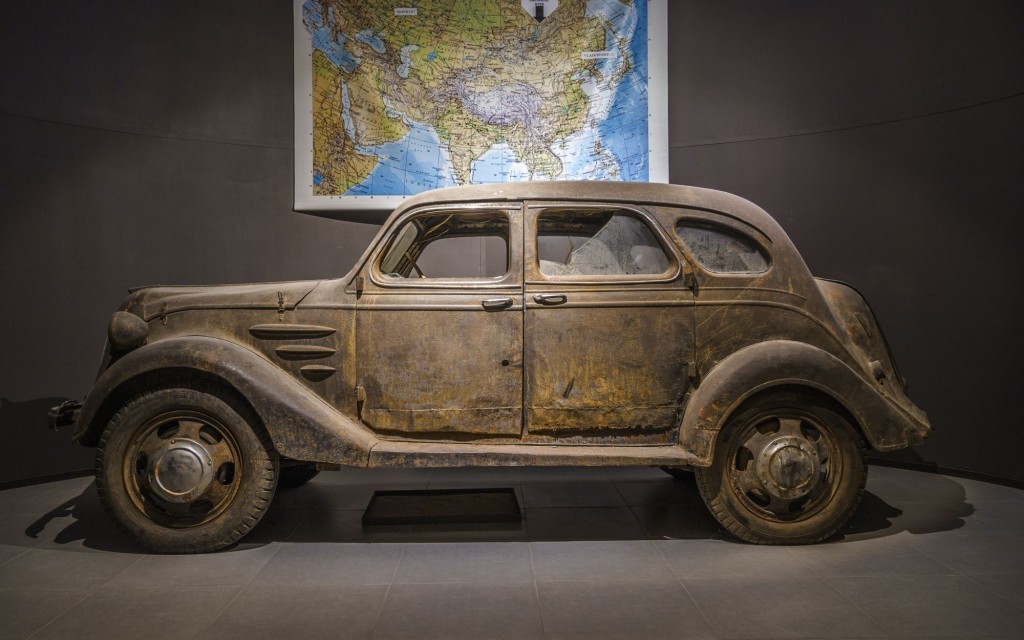
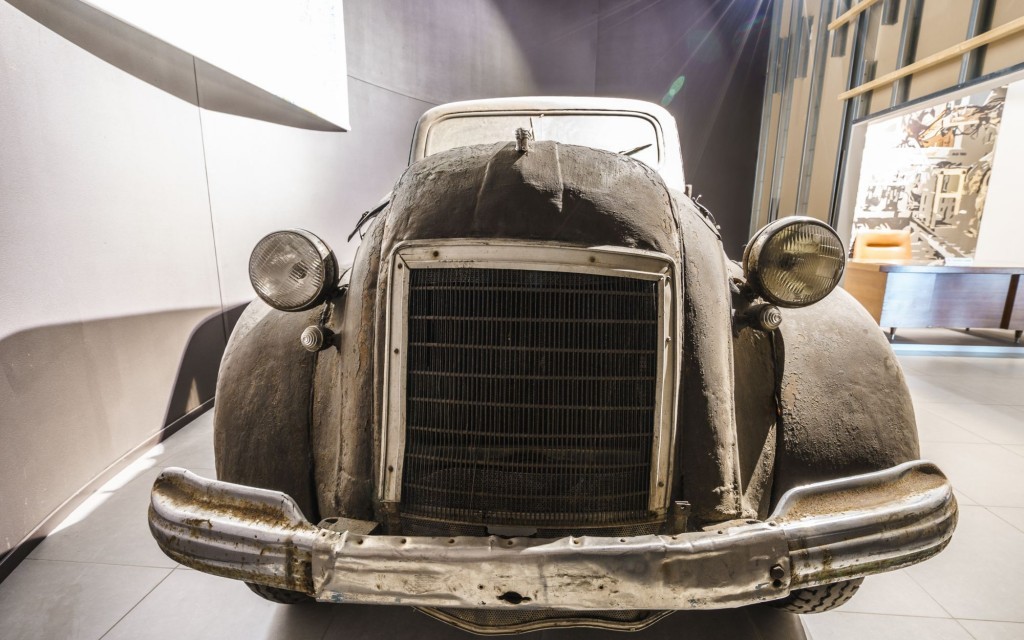
After some research, it turned out the car was imported sometime in the 1940s and was astonishingly owned by the same family for over 60 years. Decades of Siberian winters, a lack of parts, and hard work weren’t kind to the AA, however, and it had been modified heavily over the years. At some point, it was converted from right to left-hand drive, a radio was installed, newer windshield wipers were fitted, a replacement grille was cobbled together, and it was lifted on Soviet-era truck wheels, making it look something like a ’30s-era take on the Toyota Venza. But most importantly, it was an AA, and likely the only one left in the world.
By the time the Louwman got involved, the Russian government took an interest in the car. Being over 50 years old, the AA fell under the jurisdiction of the Russian Ministry of Culture, which complicated the sale. After seven months of negotiations between the museum, the seller, and the government, the AA was exported to The Hague, where it sits proudly in the museum wearing its 80 years of well-earned battle scars.
If you follow the collector car market, barn finds and preservation-class cars seem to be the hottest thing right now. But every mid-century Ferrari, prewar Bugatti, and big-block muscle car that gets “rediscovered” in a dusty garage somehow feels less special than this Toyota does. With high-end luxury or sports cars, there’s usually a registry somewhere, or high-end collectors have been circling for years, waiting for the current owner to relent and sell or, well, die. And as rare as some muscle cars are, mass production means that there are very few lone survivors out there. The Russian AA was like something coming back from the dead; it was both unexpected and thought to be impossible. Now, as Toyota enters its ninth decade as an automaker, it not only has its ur-car out there just like nearly every major automaker, it also has a solid claim for building the ultimate barn find.
Source: The Cheat Sheet. Photo’s Toyota