

Wolfsburg looks ahead to EVs and 2050 climate goals
Automakers usually try to hedge their public statements about powertrains in the distant future, not so much for reasons of letting their competitors know what their plans are, but due to the difficulty of forecasting technologies, fuel prices and consumer tastes, among other things. Ten years ago automakers thought that the cars of 2018 would be small, wind-cheating hybrids; the reality turned out to be quite the opposite, with a boom in large SUVs and a turn away from sedans of all sizes.
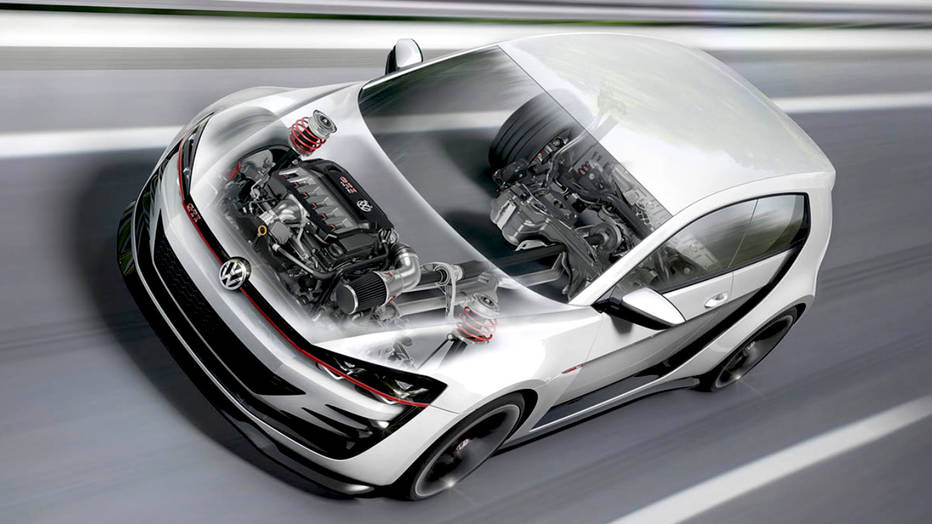
“In the year 2026 the last product launch of a combustion engine platform will begin,” Jost told attendees during the Handelsblatt automotive summit in Wolfsburg, Germany.
The automaker’s plan is tied not only to its own electrification strategy, but to the climate goals of 2050, which Jost indicated could only be achieved if not a single internal combustion car is on the road in that year. This means that the last internal combustion vehicle will be sold around the year 2040. Volkswagen’s long term strategy, Jost indicated, is closely tied to the 2015 Paris Climate Agreement — a year which coincided with the group’s diesel crisis, which greatly hastened the beginning of the end of diesel for Volkswagen, Handelsblatt notes.
The Volkswagen Microbus is on its way back after a decades-long absence, with an EV powertrain to match its Earth/Peace/Love personality. The ID Buzz is due in 2022, but the MPV version won’t be …
The Emden plant currently produces the Passat sedan for the global market, while the Hanover plant has been producing small vans like the Crafter. It is expected that the Emden plant will shift to producing ID-branded sedans, previewed by the ID Vizzion concept, while the Hanover factory could switch to producing electric panel vans based on the ID Buzz and other vehicles. The latter was previewed days ago at the LA Auto Show.
Source: Autoweek